Table of contents
Step into the delightful world of casual Italian dining and experience the unique blend of comfort and flavor that has captivated city dwellers everywhere. This exploration unveils what makes these eateries so inviting, from their warm ambiance to the irresistible aromas wafting from open kitchens. Discover the ingredients that create a charming, relaxed atmosphere and why such spots have become an undeniable favorite for those seeking an authentic food journey in the midst of urban hustle. Continue reading to uncover the secrets behind the enduring appeal of laid-back Italian culinary culture.
The inviting atmosphere
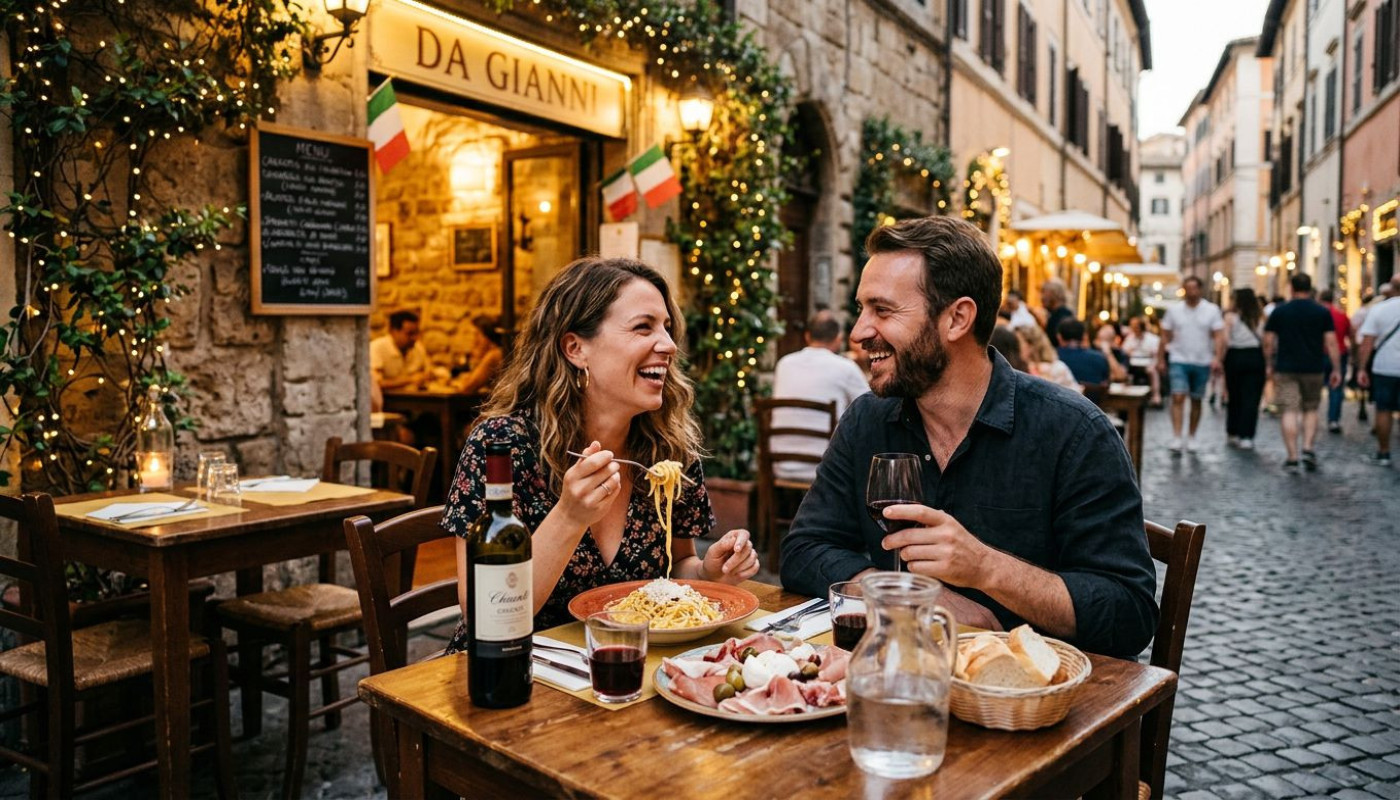
Casual Italian dining in the city is defined by a welcoming atmosphere where every guest feels instantly at home. Italian restaurant owners and experienced front of house consultants know that communal tables, cozy lighting, and approachable service are the foundation for true hospitality. These venues are expertly designed to encourage guests to unwind, fostering genuine connection with both friends and strangers as everyone enjoys comforting Italian classics. The sense of togetherness is woven into every detail—from the arrangement of tables that invite conversation, to the friendly staff who greet guests with warmth and familiarity. The ambience creates an environment where comfort food takes center stage and sharing a meal becomes a memorable urban experience.
In cities around the world, the popularity of casual Italian dining continues to grow, as people increasingly seek spaces that offer both culinary satisfaction and social connection. Urban Italian restaurants know the value of a harmonious front of house, ensuring the transition from entrance to table feels effortless and inviting. For example, Gigi Bangkok brings this welcoming atmosphere to life by expertly blending vibrant interiors with attentive service, making guests feel as though they've stepped into an Italian trattoria, no matter where they are. This attention to ambiance and guest comfort is at the heart of what makes casual Italian dining a beloved choice for city dwellers and visitors alike.
Signature dishes to savor
Casual Italian dining in the city offers an inviting showcase of signature dishes that capture the heart of Italian cuisine. Wood-fired pizza, with its blistered crust and premium toppings, stands as a beloved staple, offering authentic flavors reminiscent of Naples or Rome. Pasta bowls, ranging from creamy carbonara to robust ragù, highlight the rustic charm and diversity of regional Italian specialties. Menu selections often begin with antipasti, a technical term referring to the tempting array of small bites like marinated vegetables, cured meats, and local cheeses, setting the stage for a memorable meal. Regional traditions guide the use of fresh, seasonal ingredients, ensuring that each dish served is both flavorful and true to its roots. For the most insightful perspective on these culinary treasures, consult the Italian executive chef, whose expertise offers valuable insights into preparation methods and ingredient selection that make each item stand out. Enthusiasts of Italian cuisine will appreciate the comfort and authenticity that these signature dishes bring to any dining experience.
Accessible dining for all
Casual Italian dining in the city center stands out for its accessible dining approach, as highlighted by the director of hospitality management. These establishments are designed to welcome a diverse clientele, serving both those seeking a swift lunch and others preferring a relaxed dinner atmosphere. Italian food venues excel at offering a flexible a la carte menu, allowing guests to tailor their meal experience according to their appetite or dietary preferences. Price points are carefully structured to fit a broad spectrum of budgets, ensuring that authentic flavors are within reach for students, professionals, and families alike. This combination of flexible menu options and inclusive pricing makes city center Italian food destinations a favorite choice for accessible dining, no matter the occasion or time of day.
Pairing with Italian beverages
Italian beverages play a pivotal role in creating an inviting atmosphere at any Italian restaurant, transforming a simple meal into a memorable occasion. From the ritual of sipping espresso after a leisurely lunch to enjoying a refreshing aperitivo before dinner, these drinks punctuate the casual dining experience with authenticity and flavor. In the hands of a skilled sommelier, wine selections can be expertly matched with regional classics—think a crisp Pinot Grigio to balance the richness of creamy risottos or a bold Chianti to stand up to hearty meat dishes. Artisanal sparkling sodas, often infused with Sicilian citrus or herbal notes, offer a vibrant and non-alcoholic alternative that cleanses the palate between bites.
Food pairing is at the heart of the Italian restaurant experience, and the city’s leading sommelier explains that carefully chosen Italian beverages enhance flavors, textures, and the social pleasure of dining. The aperitivo, a tradition rooted in Italy’s culinary heritage, serves as both a prelude and a complement to food, often featuring light, bittersweet cocktails designed to awaken the appetite. This thoughtful integration of drinks and dishes invites guests to slow down, savor each course, and discover how a well-matched glass can elevate familiar recipes into something extraordinary.
Celebrating Italian culture
Casual Italian dining venues in the city offer a vibrant gateway to Italian culture, providing both locals and visitors with immersive experiences that go beyond cuisine. The décor in each trattoria is carefully curated to reflect the warmth and artistry of Italy, featuring rustic furniture, regional artwork, and atmospheric lighting reminiscent of traditional Italian towns. These spaces regularly host lively gatherings and themed events, such as wine tastings, pasta-making workshops, and festive live music nights, transforming everyday city life into a continual cultural celebration. Entrusted to the chief cultural officer of an Italian cultural institute, these venues are thoughtfully designed as community hubs, where people from diverse backgrounds unite to share in the joys of Italian dining and embrace a sense of heritage and togetherness. Over time, these trattorias become cherished landmarks within the city, embodying both the culinary and communal spirit that defines Italian culture.
On the same subject

